Winged Tulip Floral Design SVG Review
I have spent years stitching, digitizing, and reviewing embroidery files for everything from boutique apparel to custom nursery decor. When I first opened the Winged Tulip Floral Design SVG, my initial reaction was one of curiosity mixed with a designer's critical eye. In a market flooded with generic floral motifs, this piece stands out because it attempts something slightly whimsical: a tulip that defies gravity. But does it translate well from a digital screen to a physical stitch? That is the question every embroiderer needs to answer before hitting the start button on their machine.
First Impressions and Visual Personality
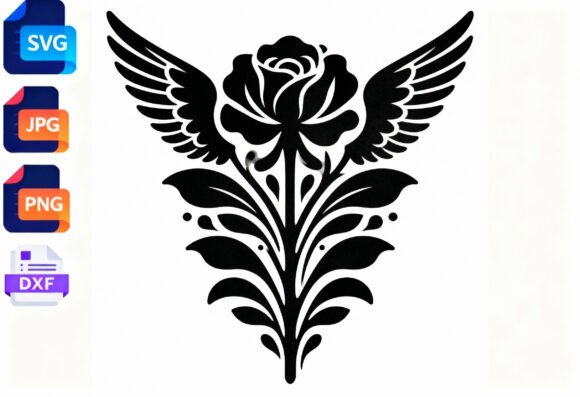
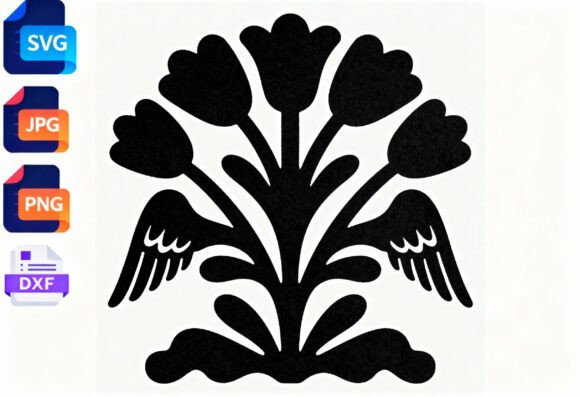
The moment you load the design into your software, the layout speaks to a specific aesthetic. It feels less like a rigid botanical illustration and more like a storybook character. The inclusion of wings adds a layer of fantasy that immediately elevates the mood. For a creative entrepreneur or an Etsy seller, this is crucial. A standard flower might fit anywhere, but a winged tulip suggests magic, springtime renewal, or a unique brand identity for a handmade shop.
The visual personality here is light yet structured. It avoids the clutter often found in low-quality vector graphics. The lines are clean, suggesting that the final stitched product will have good definition. However, as an experienced reviewer, I know that what looks perfect on a monitor can sometimes get lost under the needle. The design creates a sense of movement, which is exactly what you want when designing for products that need to catch the eye at a craft fair or on a social media feed.
Real-World Application: From Screen to Stitch
To truly understand the potential of the Winged Tulip Floral Design SVG, we have to look at how it performs in real-life scenarios. Let me walk you through a practical case study. Imagine you are preparing a custom embroidered tote bag for a local artisan market. You need something that screams "handmade" but still looks professional enough to command a higher price point.
This design fits that brief perfectly. The open nature of the wings allows for excellent thread flow, making it ideal for a satin stitch application on canvas or cotton twill. If you were to place this on the front panel of a sweatshirt, the focal point draws the eye immediately. It works beautifully as a centerpiece for a baby onesie, where the soft curves and gentle theme appeal to parents looking for personalized gifts. The versatility extends to kitchen towels and pillow covers as well, adding a touch of whimsy to home decor without overwhelming the space.
For commercial embroidery projects, the scalability is key. Whether you are producing a batch of aprons for a bakery or creating patches for a clothing line, the clean geometry ensures consistency across multiple units. Customers appreciate designs that look intentional. When a finished product features a crisp, well-executed motif like this, it builds trust in your brand. It signals that you care about the details, not just the quantity of items produced.
Navigating Technical Challenges and Fabric Choices
While the concept is strong, no design is without its challenges. As a designer who has seen too many projects fail due to poor fabric selection, I must advise caution in specific areas. The delicate lines of the wings require a stable foundation. If you attempt this on a stretchy knit fabric without proper stabilizer, the tension could cause the wings to pucker or distort, ruining the illusion of flight.
Small hoop sizes present another hurdle. While the design is elegant, intricate corners and thin lines can be difficult to resolve if you are working within a very confined area. If you are aiming for a tiny detail on a cap or a small patch, you must verify the stitch density. Dense fill stitches in tight spaces can sometimes merge together, blurring the distinction between the petals and the wings. Always test the design on scrap fabric first to see how the threads interact.
Fabric texture also plays a massive role in the final outcome. On a smooth, tightly woven fabric, the design will pop with clarity. However, on a textured material like a heavy bouclé or a rough linen, some of the finer details might get lost. Similarly, using dark fabric requires careful consideration of thread colors. Without high contrast, the subtle curves of the wings may disappear into the background, defeating the purpose of the design.
Impact on Product Value and Brand Consistency
In the world of handmade goods and digital product sellers, visual appeal directly correlates to perceived value. A well-stitched Winged Tulip Floral Design SVG transforms a basic item into a collectible piece. When a customer sees a tote bag featuring this unique motif, they are not just buying a bag; they are buying a piece of art. This emotional connection is vital for engagement and repeat business.
Furthermore, the design supports brand consistency. If you are building a boutique identity around themes of nature, fantasy, or spring, this file serves as a reliable asset. It helps create a cohesive look across your entire catalog, from your website mockups to your physical inventory. For those selling digital embroidery files themselves, offering a design with such clear artistic intent can set your store apart from competitors selling generic clip art.
Essential Notes for the Embroidery Designer
Before you commit this design to a production run, there are several technical steps you should take to ensure success. First, review the stitch density settings in your digitizing software. If the file is provided as a raw vector, you will need to assign appropriate stitch types, such as satin stitch for outlines and fill stitch for the body, ensuring the density is balanced for the chosen fabric.
Confirm the recommended hoop size. While the design is versatile, pushing it beyond its intended dimensions can lead to registration issues. Check the thread color contrast by creating a black-and-white mockup; this helps visualize the depth and separation of the elements. Additionally, inspect the small details closely. Are the wing tips sharp enough? Do the petal edges hold up under magnification?
Finally, do not overlook the licensing terms. If you plan to sell finished products featuring this design, ensure you have the commercial rights. Many digital assets come with restrictions on how they can be used. Verify whether the license covers unlimited production or if there are caps on the number of items you can sell. Properly managing these legal aspects protects your small business and ensures you can operate with confidence.
The Winged Tulip Floral Design SVG offers a compelling opportunity for creators who want to add a touch of magic to their work. By understanding its strengths and respecting its technical limitations, you can turn a simple digital file into a stunning finished product that delights customers and elevates your craft business.