Deer with Flowers Svg, Floral Animal Svg
I have spent years evaluating digital assets for real-world embroidery production. When I first opened the Deer with Flowers Svg, Floral Animal Svg, my immediate reaction wasn't about the file format or the download speed; it was about the mood. This design carries a gentle, whimsical energy that feels perfectly suited for the current market of handmade goods and boutique branding. It is not just a clipart image; it is a visual promise of softness and nature that translates well into thread.
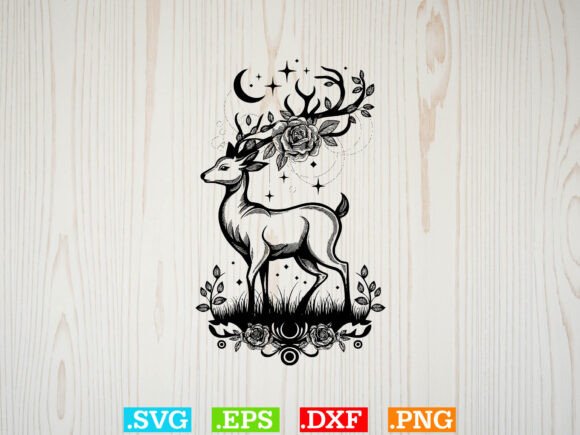
The concept of a deer surrounded by floral elements is timeless, but the execution here determines whether it becomes a mass-produced novelty or a cherished heirloom piece. From a professional standpoint, this embroidery project candidate strikes a balance between detail and simplicity. The layout suggests a central focal point where the animal's form meets the organic flow of the flowers, creating a composition that works naturally on both apparel and home decor items.
Real-World Application: The Custom Tote Bag Scenario
To understand how this design truly performs, let's imagine a specific scenario. I am preparing a custom order for a local artisan shop owner who needs a limited-run collection of tote bags for an upcoming spring craft fair. She wants something that screams "handmade" without looking cluttered. She chooses to use the Deer with Flowers Svg, Floral Animal Svg as the centerpiece for her canvas totes.
In this context, the design excels. The open negative space around the deer allows for a generous satin stitch border that defines the edges clearly against the fabric. Unlike designs with too many tiny internal details, this one maintains its integrity even when stitched on a slightly textured canvas. The floral accents add a pop of color potential without overwhelming the silhouette of the deer. When finished, the bag doesn't look like a cheap print; it looks like a curated, high-quality handmade product.
However, if I were to place this same design on a baby onesie intended for a newborn, I would need to be more cautious. While the theme is perfect for a nursery, the density of the stitches might be too stiff for delicate infant skin. For a baby item, I would advise reducing the stitch count or using a lighter weight stabilizer to ensure the final product remains soft and comfortable. This distinction is crucial for any Etsy seller or small business owner aiming for customer trust.
Where the Design Shines in Commercial Projects
This machine embroidery design finds its sweet spot in several key categories. For custom apparel like sweatshirts and hoodies, the design offers a classic aesthetic that appeals to a broad demographic. The floral elements provide an opportunity to introduce multi-color threads, which can elevate the perceived value of the garment significantly. A customer seeing a soft beige hoodie with a detailed, colorful deer and flower motif will often perceive it as a premium item compared to a simple logo.
Patches are another excellent application. The clean lines of the deer's outline make it ideal for creating an embroidered patch that can be ironed onto denim jackets or backpacks. The floral details add character, making the patch feel unique rather than generic. Similarly, for kitchen towels and pillow covers, the design adds a touch of rustic elegance that fits well in farmhouse-style interiors. These items are popular gifts, and the Deer with Flowers Svg, Floral Animal Svg has that "giftability" factor that drives sales during holidays and weddings.
Navigating Technical Challenges and Fabric Choices
As an experienced reviewer, I must highlight where this design requires careful handling. Not every surface is created equal, and the success of the finished product depends heavily on the substrate. If you plan to use this design on a cap or hat, you will face the challenge of curvature. A flat design like this may distort if not hooped correctly or if the machine lacks proper 3D puff capabilities. For curved surfaces, I recommend testing the design on scrap material first to see how the fill stitches behave around the curve.
Fabric texture plays a massive role in clarity. On smooth, tightly woven fabrics like twill or sateen, the satin stitch will look crisp and professional. However, on loose weaves or highly textured fabrics like heavy linen or boucle, the stitches might sink in or fail to cover the background completely. In these cases, the contrast between the thread and the fabric becomes critical. If the fabric is dark, you must ensure the thread colors are vibrant enough to stand out. Conversely, on light fabrics, a dark outline might be necessary to define the shape of the deer against the white background.
Small hoop sizes present another limitation. If you attempt to stitch this design in a very small area, such as on a cuff or a small pocket, the fine details of the flowers could get lost or merge together. The stitch density needs to be appropriate for the size of the design. If the files provided do not specify the optimal hoop size, it is your responsibility as the designer to scale the design down appropriately while maintaining legibility. Tiny lettering, if included, should be avoided unless the resolution is exceptionally high, as it tends to blur during the stitching process.
Essential Notes for the Embroidery Designer
Before committing to a full production run, there are several practical steps every creator should take. First, always test the design on scrap fabric that matches your final project material. This reveals issues with puckering, thread breaks, or tension problems that aren't visible in a digital mockup. Second, review the thread colors carefully. A design that looks great in RGB on a screen might lose impact in thread form if the colors are too similar. Testing the design in black and white mockups can help you visualize the contrast and ensure the shapes remain distinct.
Stabilizer selection is non-negotiable. For a design with significant fill areas like this one, using a cut-away stabilizer is often recommended to prevent the fabric from shifting and to maintain the shape of the embroidery over time, especially for items that will be frequently washed. If you are producing for a commercial market, durability is part of the brand promise. A poorly stabilized design that washes out or wrinkles after a few cycles will damage your reputation as a craft business owner.
Finally, verify the licensing terms before selling any finished items. Some digital embroidery files come with restrictions on commercial use or limits on the number of units you can produce. Ensuring you have the right permissions protects your small shop product line from legal issues. Also, consider the versatility of the design. Does it work for both personal gifts and wholesale orders? The Deer with Flowers Svg, Floral Animal Svg seems versatile enough to fit both niches, making it a valuable asset for a creative entrepreneur.
Final Verdict on Visual Appeal and Value
Ultimately, the Deer with Flowers Svg, Floral Animal Svg succeeds because it understands the emotional connection people have with nature-inspired themes. It is not overly complex, which prevents frustration during the stitching process, yet it has enough detail to look professional and polished. For designers looking to expand their catalog with design assets that resonate with buyers, this file offers a strong foundation.
When used correctly, this design enhances the visual appeal of a product, signaling quality and attention to detail. It builds customer trust by delivering on the promise of a beautiful, handmade item. Whether you are decorating a holiday gift, launching a new boutique line, or creating personalized merchandise, this design provides a reliable and aesthetically pleasing option. Just remember to respect the technical limitations of embroidery, choose your materials wisely, and always prioritize the finish of the finished product. With the right approach, this SVG can become a staple in your repertoire of graphics for the crafts industry.